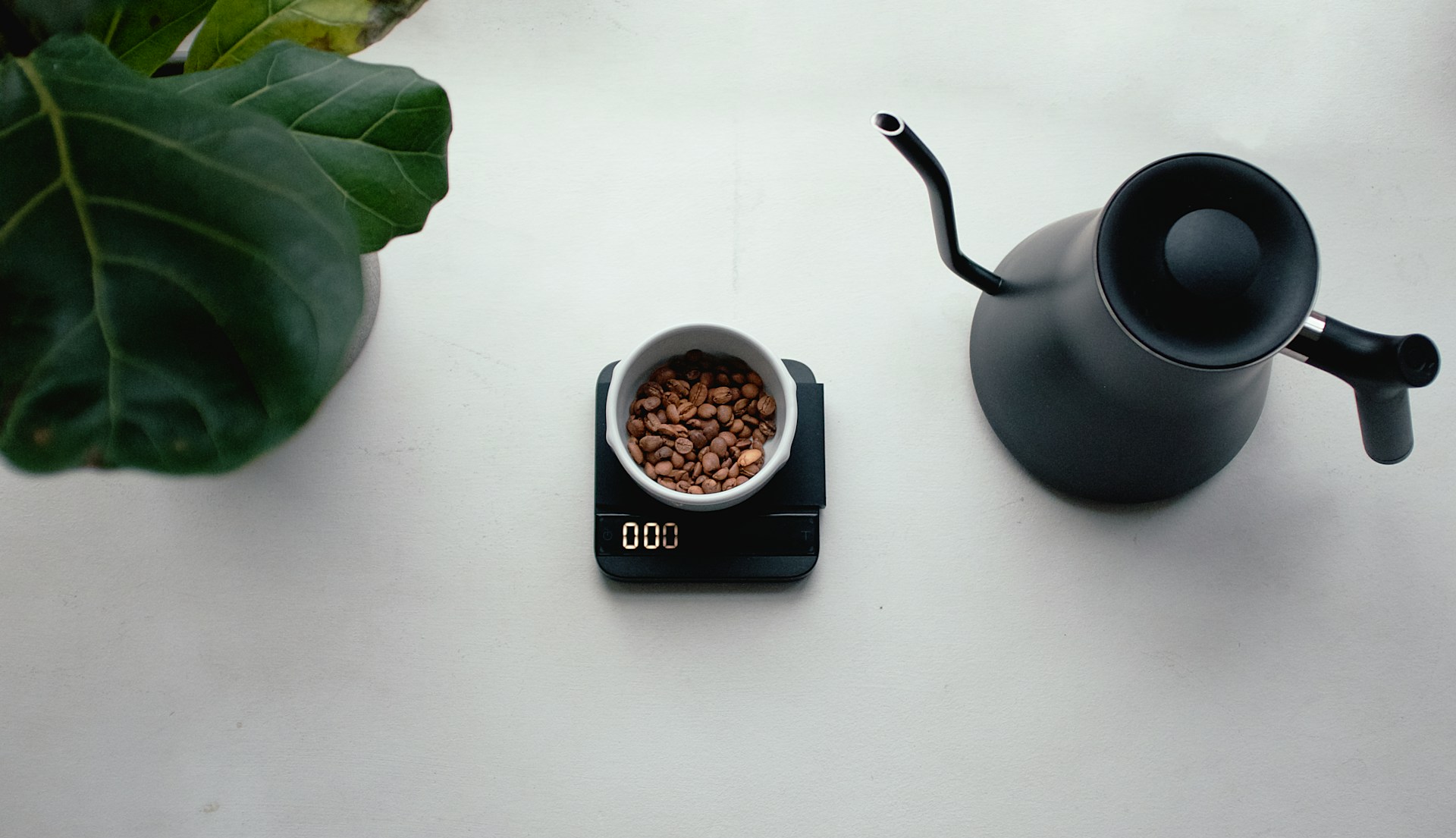
What Is Specialty Coffee?
Sat 20th Jun 2026
What Is Specialty Coffee?
Coffee is one of the world's most consumed beverages, enjoyed daily by millions of people across homes, workplaces, hotels, restaurants, and hospitality environments. Yet despite its popularity, many people are unaware that there are significant differences in the quality of the coffee they consume.
In recent years, the term specialty coffee has become increasingly common among coffee professionals, hospitality providers, businesses, and consumers seeking a better coffee experience. But what exactly does specialty coffee mean, and why has it become such an important part of the modern coffee industry?
More Than Just Coffee
Specialty coffee refers to coffee that has been cultivated, harvested, processed, roasted, and prepared according to exceptionally high quality standards.
Unlike commodity coffee, which is typically traded in large volumes with limited emphasis on origin or quality, specialty coffee focuses on excellence at every stage of the value chain. Every step matters—from the farm where the coffee is grown to the final cup enjoyed by the consumer.
The result is a coffee experience that delivers greater flavour complexity, improved aroma, better balance, and a stronger connection to the people and places behind the product.
The Journey Begins at Origin
Specialty coffee starts long before beans are roasted or brewed. It begins with the conditions in which coffee is cultivated.
Factors such as altitude, rainfall, temperature, soil composition, farming techniques, and harvesting practices all influence the characteristics of the final coffee.
Coffee grown in ideal conditions often develops distinctive flavour notes that reflect its environment. Similar to wine, coffee can express unique characteristics associated with specific regions, farms, and production methods.
This is one reason why origin plays such an important role in specialty coffee.
Quality at Every Stage
Producing specialty coffee requires careful attention throughout the production process.
Producers must harvest ripe coffee cherries at the correct time. Processing methods must be carefully managed. Roasters must develop roasting profiles that highlight the coffee's natural characteristics. Brewing methods must be designed to preserve flavour and consistency.
Each decision contributes to the final experience.
When any stage is neglected, quality can suffer. Specialty coffee therefore represents a commitment to excellence and continuous improvement throughout the entire coffee journey.
The Importance of Traceability
One of the defining characteristics of specialty coffee is traceability.
Consumers increasingly want to know where their coffee comes from, who produced it, and how it was processed.
Traceability creates transparency by making information about the coffee's journey available to consumers. It allows people to connect with the stories, communities, and producers behind the product while promoting greater accountability throughout the value chain.
For producers, traceability can also help create opportunities for recognition, differentiation, and value creation.
A Different Coffee Experience
Many people first discover specialty coffee through flavour.
Specialty coffees often offer a wider range of flavour characteristics than conventional coffees. Depending on origin and processing methods, consumers may experience notes associated with chocolate, caramel, nuts, citrus fruits, berries, floral elements, spices, and other distinctive characteristics.
The goal is not simply stronger coffee. The goal is better coffee.
Specialty coffee encourages people to appreciate coffee as a crafted product rather than a routine commodity.
The Growing Role of Specialty Coffee in Organisations
As employee experience, hospitality excellence, and customer satisfaction become increasingly important, many organisations are investing in higher-quality coffee experiences.
Premium coffee is no longer limited to cafés and restaurants. It is increasingly becoming part of workplace culture, hospitality environments, executive lounges, healthcare facilities, and customer-facing spaces.
Organisations recognise that seemingly small details often contribute significantly to how people perceive their experience.
A thoughtfully designed coffee experience can communicate professionalism, hospitality, quality, and attention to detail.
The Future of Coffee
The specialty coffee movement continues to grow because it aligns with changing consumer expectations.
People increasingly value authenticity, transparency, quality, sustainability, and meaningful experiences. Specialty coffee responds to these expectations by focusing on excellence throughout the coffee journey.
It creates opportunities for stronger connections between producers, businesses, and consumers while elevating the overall coffee experience.
Conclusion
Specialty coffee is about more than flavour.
It is about people, craftsmanship, transparency, quality, and experience.
It represents a commitment to creating better coffee experiences while recognising the expertise and effort that make those experiences possible.
At Beau Café, we believe specialty coffee has the power to create moments of connection, strengthen hospitality, enhance workplace culture, and transform everyday experiences into memorable ones.
Because every exceptional experience begins with exceptional coffee.